Pancreatic polypeptide (PP) is a polypeptide secreted by PP cells in the endocrine pancreas predominantly in the head of the pancreas. It consists of 36 amino acids and has molecular weight about 4200 Da.[1] The function of PP is to self-regulate pancreatic secretion activities (endocrine and exocrine). It also has effects on hepatic glycogen levels and gastrointestinal secretions.
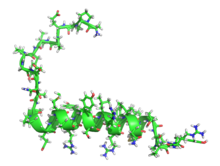

Its secretion in humans is increased after a protein meal, fasting, exercise, and acute hypoglycemia, and is decreased by somatostatin and intravenous glucose.
Plasma PP has been shown to be reduced in conditions associated with increased food intake and elevated in anorexia nervosa. In addition, peripheral administration of PP has been shown to decrease food intake in rodents.[2] Pancreatic polypeptide (PP) is a peptide hormone found in the islets of Langerhans and between the acinar cells that inhibits pancreatic secretion of fluid, bicarbonate, and enzymes.It also stimulates the gastric juice secretion, but inhibits the gastric secretion induced by pentagastrine. It is the antagonist of cholecystokinin and inhibits the pancreatic secretion which is stimulated by cholecystokinin. On fasting, PP seric concentration is 80 pg/ml; after the meal, it rises up from 8 to 10 times more; glucose and fats also induce PP's level increase, but on parenteral introduction of those substances, the level of hormones doesn't change. The administration of atropine, the vagotomy, blocks the PP's after-meal secretion. The excitation of the vagus nerve, the administration of gastrin, secretin or cholecystokinin induce PP secretion.
The augmentation of PP secretion has been observed in hormonal-active pancreatic tumors (insulin, glucagon), in Verner-Morrison syndrome, and in gastrinomas.
The PPY gene encodes an unusually short protein precursor that is cleaved to produce PP, as well as pancreatic icosapeptide and a 5- to 7- amino-acid oligopeptide.[3]
| This article uses material from the Wikipedia article Metasyntactic variable, which is released under the Creative Commons Attribution-ShareAlike 3.0 Unported License. |